
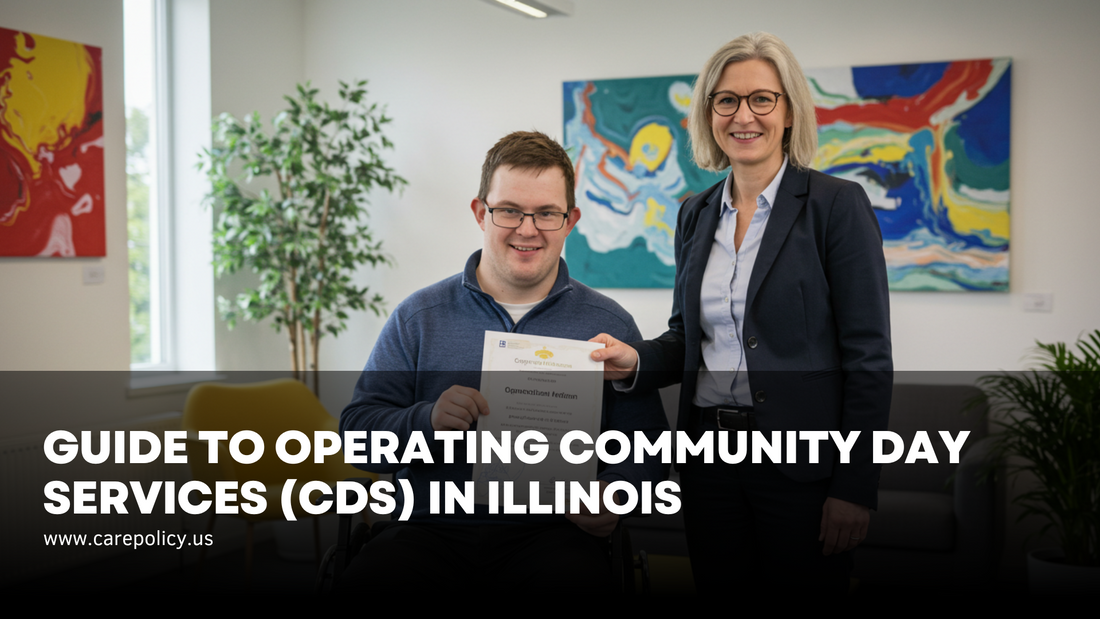
Comprehensive Guide to Operating Community Day Services (CDS) in Illinois: Requirements, Certification, and Compliance
Anton FonsekaShare
Community Day Services (CDS) provide vital support to adults with intellectual and developmental disabilities (IDD), helping individuals develop skills, engage with their community, and enhance their quality of life. If you are interested in operating a CDS program in Illinois, this detailed guide outlines essential steps, certification processes, and ongoing operational requirements.
Understanding Community Day Services
Community Day Services (CDS) are structured programs designed to provide skill-building, community integration, and social interaction opportunities for adults with IDD. These programs are separate from residential care facilities and play a crucial role in promoting independence and economic self-sufficiency.
Core Components of CDS
- Personalized training programs aligned with individual goals
- Employment skill development and opportunities
- Community integration activities
- Support for enhancing daily living skills
Steps to Launch a CDS Program in Illinois
Step 1: Attend New Provider Orientation (NPO)
Before you can apply to operate a CDS, you must complete the mandatory NPO hosted by the Illinois Department of Human Services (IDHS). Attendance at all sessions within a year before application is required.
Step 2: Application Submission
Upon completion of the NPO, you can request and submit your CDS application. The application must include:
- Detailed business documents, including articles of incorporation
- Comprehensive policies covering client rights, staff training, emergency procedures, and privacy protocols
- Documentation of governing body approvals
- Clearances and fingerprint-based background checks for all administrative and direct care staff
Pitch: Navigating the extensive documentation for a CDS application can be overwhelming. Ensuring your policies and procedures are fully compliant from day one is critical for approval. CarePolicy offers a comprehensive Community Integrated Living Arrangement (CILA) Agency Policies and Procedures manual for Illinois. While CILA and CDS are distinct, their regulatory frameworks overlap significantly, and this manual provides a robust foundation for meeting Illinois's stringent requirements, saving you time and ensuring you meet state standards.
Step 3: Technical Assistance and BALC Interview
Once your application is accepted, you'll participate in a technical assistance program and an interview conducted by the Bureau of Accreditation, Licensure, and Certification (BALC). This interview assesses your familiarity with:
- Rule 119 (governing CDS operations)
- Home and Community-Based Services (HCBS) Settings Rule
- Illinois Medicaid Waiver policies
Step 4: Provisional Certification
Passing the BALC interview and submitting all required documentation will grant you provisional certification valid for one year. During this provisional period, you are permitted to operate a single CDS location. Successful completion of a BALC site survey during this initial year allows for ongoing annual certification.
CDS Facility and Operational Standards
To achieve and maintain certification, CDS providers must consistently meet specific operational standards, including:
- Safe and accessible facility environments with clear evacuation and disaster response plans
- Adequate restroom facilities ensuring privacy and accessibility
- Regular inspections by BALC and compliance with state and local safety regulations
- Availability of essential equipment, such as first aid kits and fire extinguishers
Individual Rights and Programmatic Standards
Participants in CDS programs have protected rights, including:
- Freedom from abuse, neglect, exploitation, and seclusion
- Active involvement in planning their services and activities
- Opportunities for competitive employment and community engagement
- Transparent procedures for appealing service decisions
Staffing and Training Requirements
CDS programs must adhere to clear staffing and training guidelines. For those looking to establish similar community-based homes, our guide on starting a CILA home in Illinois provides valuable, related insights.
- Staff-to-participant ratios based on individual support needs (ranging from 1:5 to 1:10)
- Employment of a Qualified Intellectual Disabilities Professional (QIDP) to oversee program planning and participant progress
- Comprehensive training for all direct care staff, including CPR, behavior management, and reporting requirements
Ongoing Compliance and Quality Assurance
To maintain CDS certification, providers must participate in ongoing compliance surveys conducted annually by BALC. These surveys evaluate:
- Facility conditions and safety protocols
- Staff qualifications and training records
- Participant rights and satisfaction
- Documentation of service delivery aligned with individual plans
Providers must promptly address any identified deficiencies through corrective action plans and demonstrate continuous improvement. Having a solid set of customized policies and procedures is fundamental to passing these annual reviews.
Transportation and Accessibility
CDS providers must ensure reliable and accessible transportation for participants. Transportation times to and from the CDS location should not exceed one hour each way. Providers must either coordinate or directly offer transportation services.
Funding and Financial Considerations
Community Day Services primarily receive funding through the Illinois Medicaid Waiver program. Providers must carefully manage billing and reimbursement processes, adhere to Medicaid standards, and maintain accurate financial records to ensure sustained funding and compliance.
Final Considerations
Operating a successful CDS program in Illinois is both rewarding and demanding, requiring thorough planning, diligent adherence to regulations, and a commitment to continuous improvement. By understanding and following these guidelines, you can create a program that significantly enhances the lives of adults with intellectual and developmental disabilities. For a broader overview of launching a care agency in the state, see our 7-step guide to starting a home care agency in Illinois.